

Case Study
Private Markets Investments
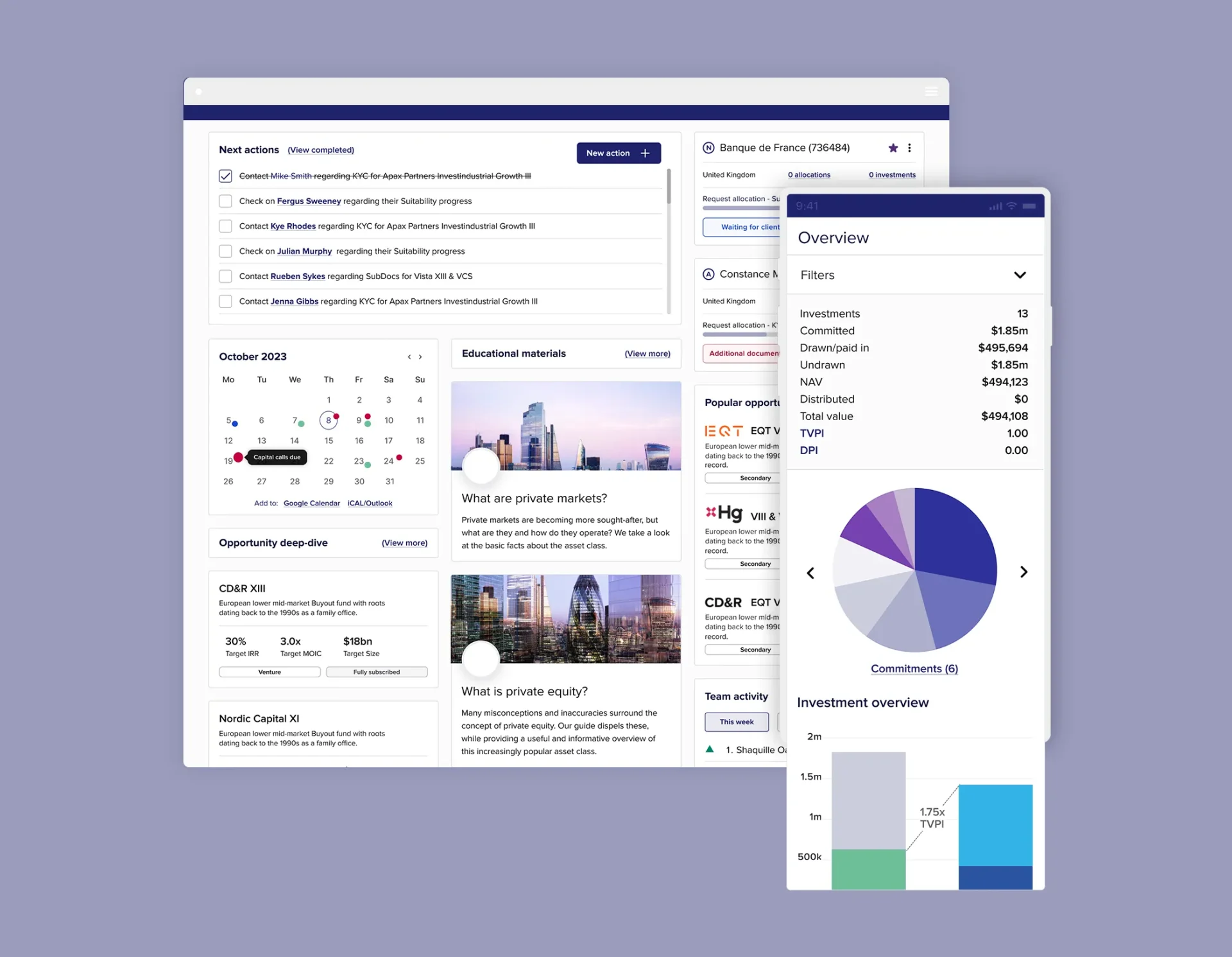
Titanbay connects financial institutions and wealth managers with private market investments. I joined as Senior Product Designer to take a POC and build it into a platform that could earn the trust of serious investors.
Strategy
Roadmapping, Design Sprints, Workshops
Design
Design System, UX Auditing, Information Architecture
Production
Design Sprints, Documentation, White Label
FE Stack
React Redux, Tailwind CSS
01. The Challenge
The Challenge
Platform Evolution
Taking the POC to a go-to-market product meant designing everything from scratch. A genuine 0-to-1 build with no shortcuts.
Regulatory Compliance
KYC and due diligence are non-negotiable in this space. The onboarding needed to be thorough without feeling like an interrogation.
Design System Standardization
The existing design assets were inconsistent and fragmented. It was slowing down both design and engineering.
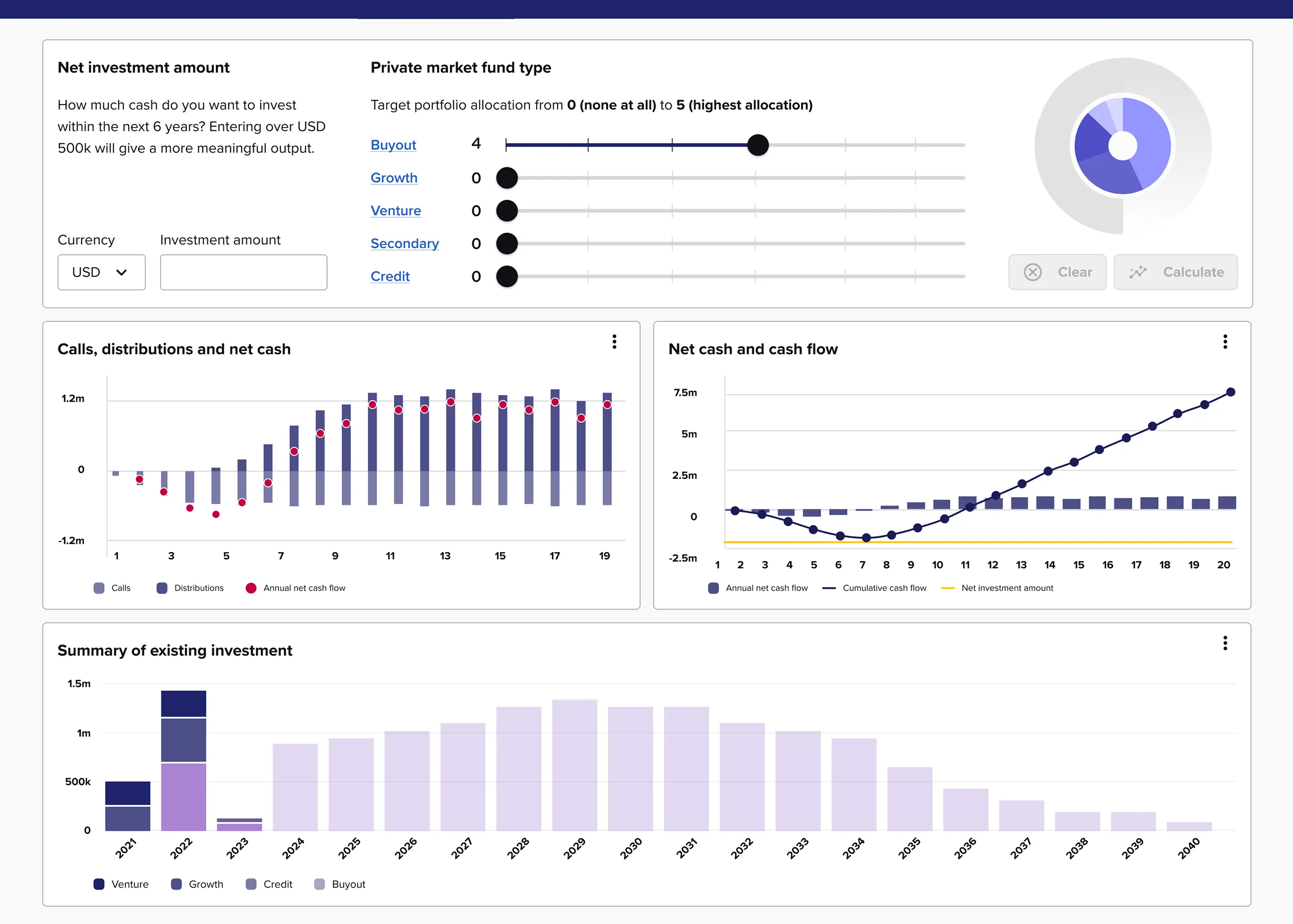
Advanced Financial Tooling
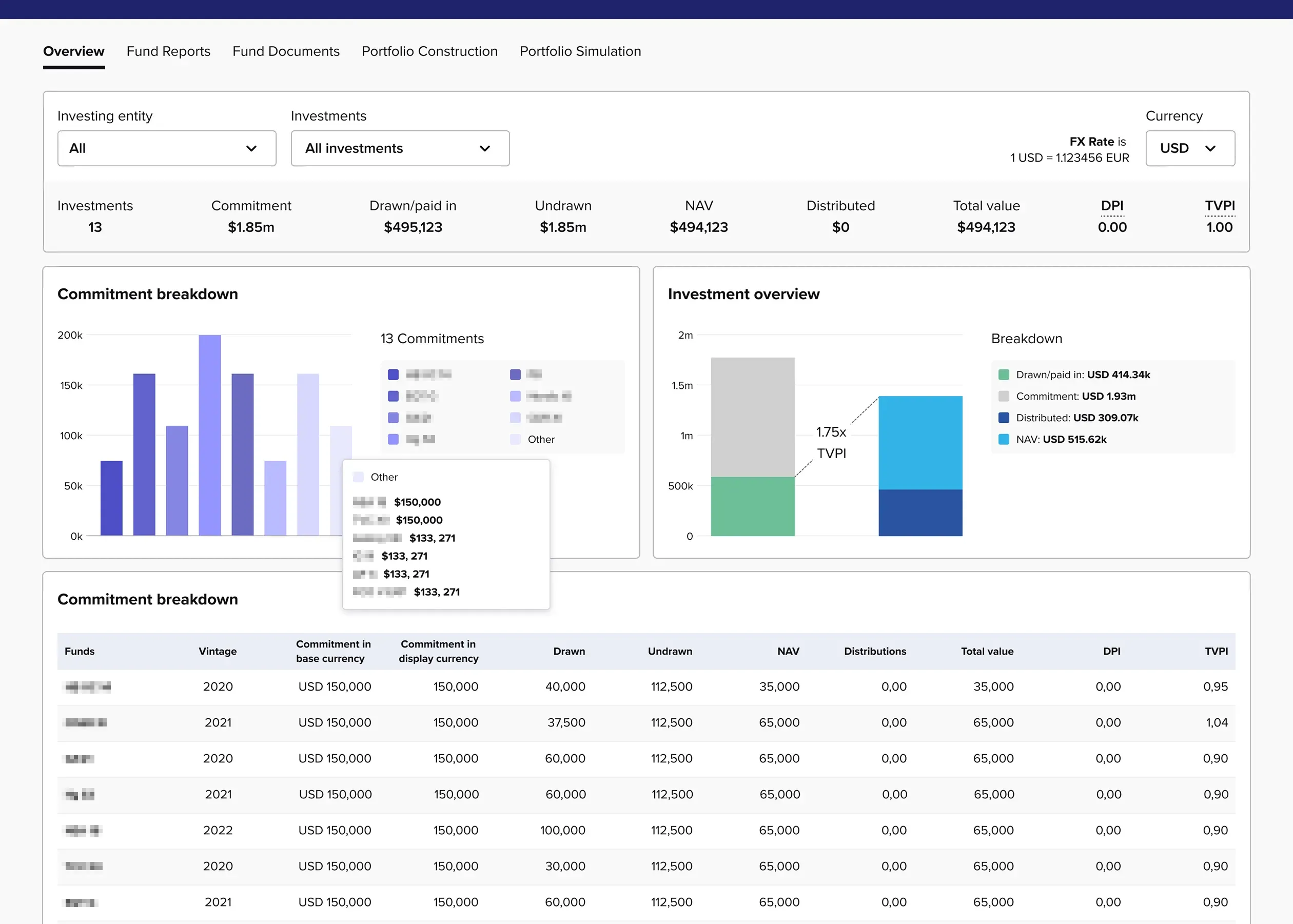
A portfolio construction tool modelling 10-20 year outlooks. Complex financial data that needed to be readable, not just accurate.
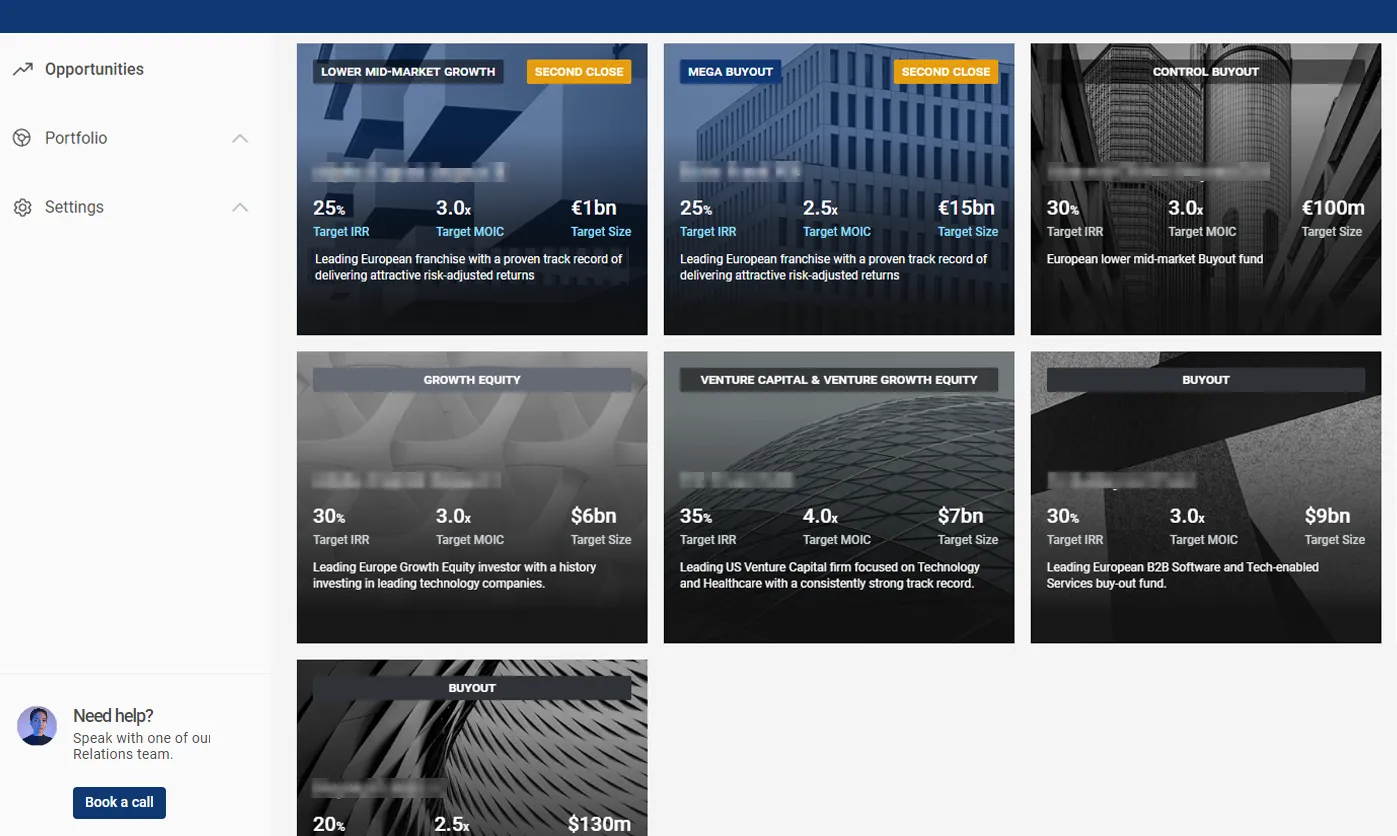
Before: POC platform, Fund cards
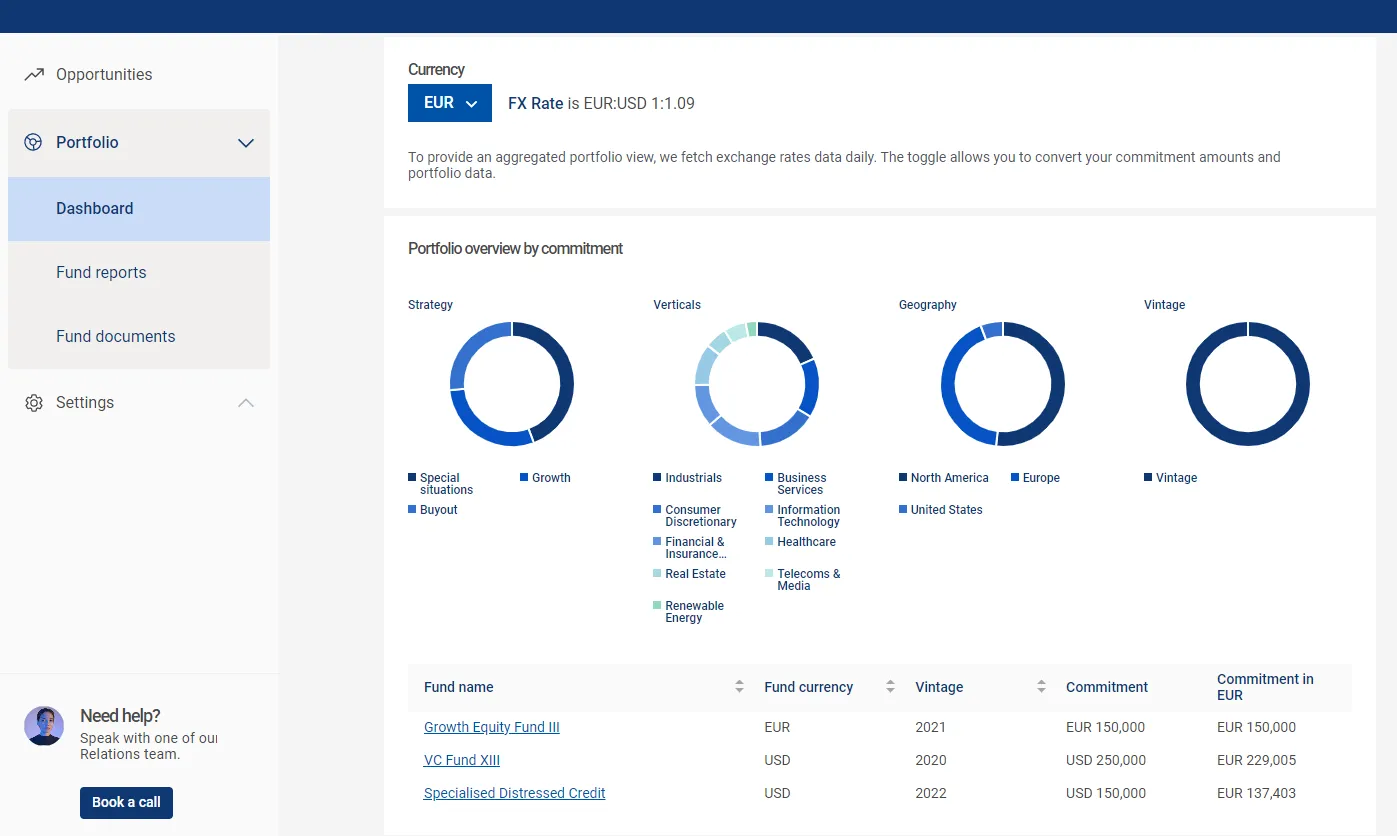
Before: POC platform, Investment Portfolio
02. My Approach
My Approach
Research & Strategic Foundation
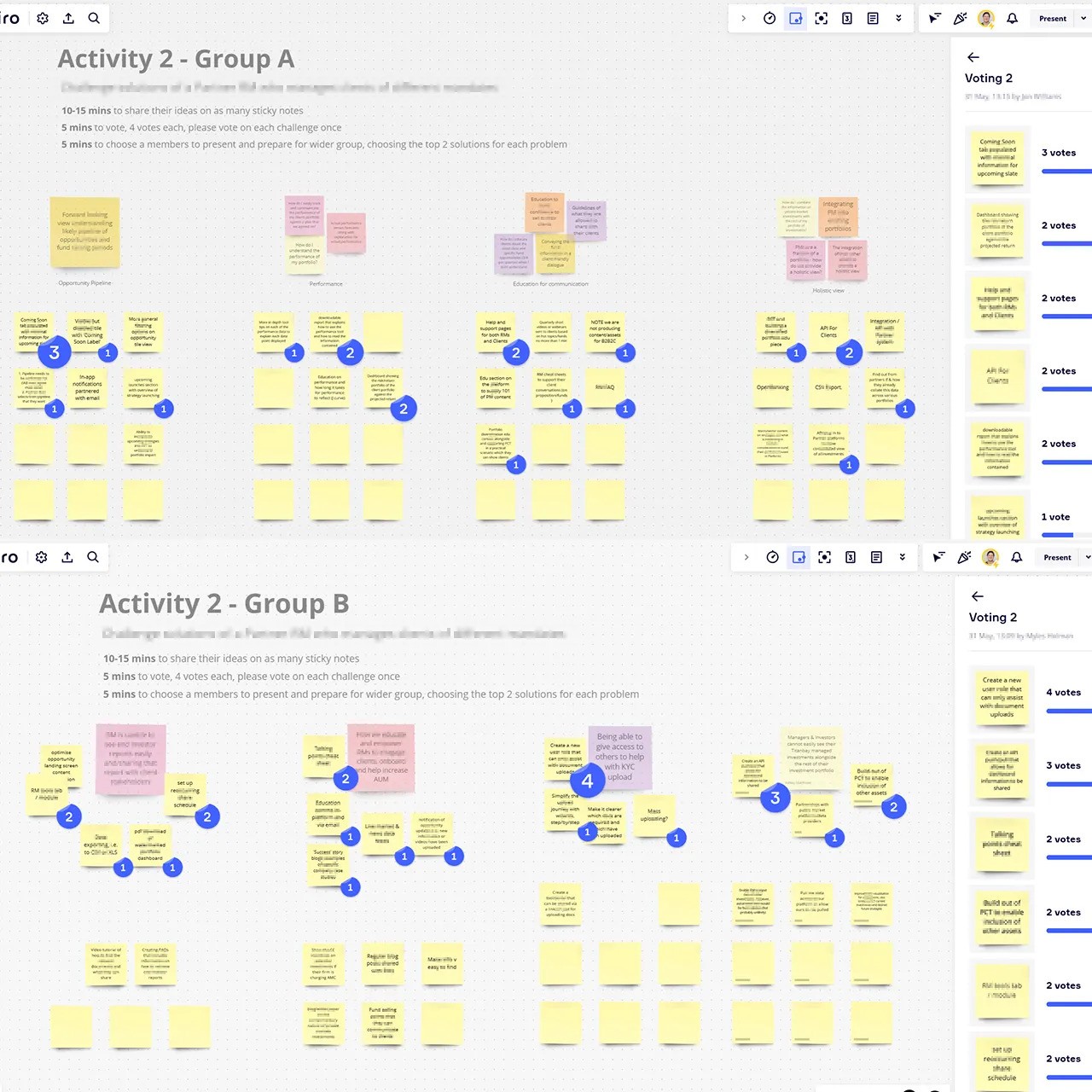
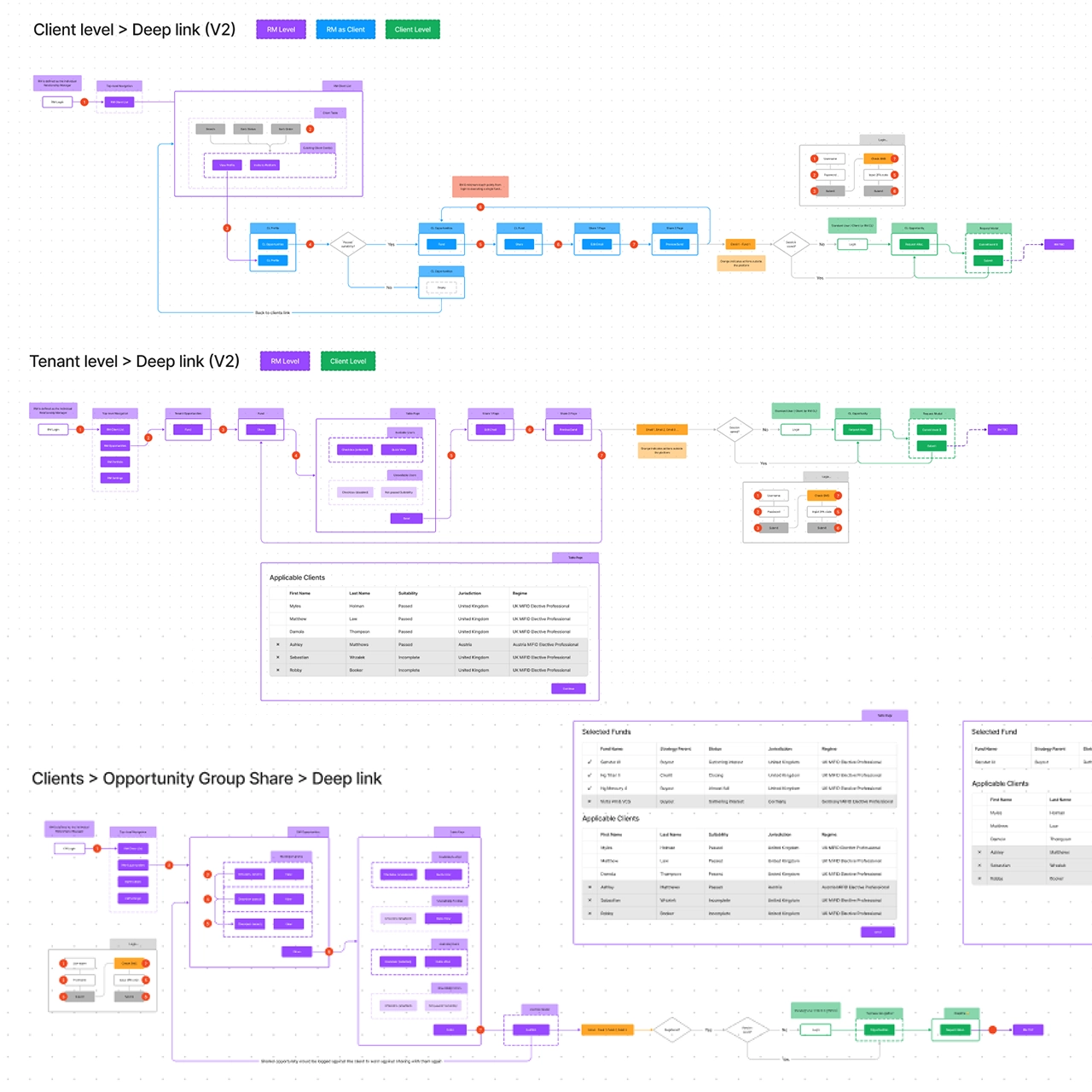
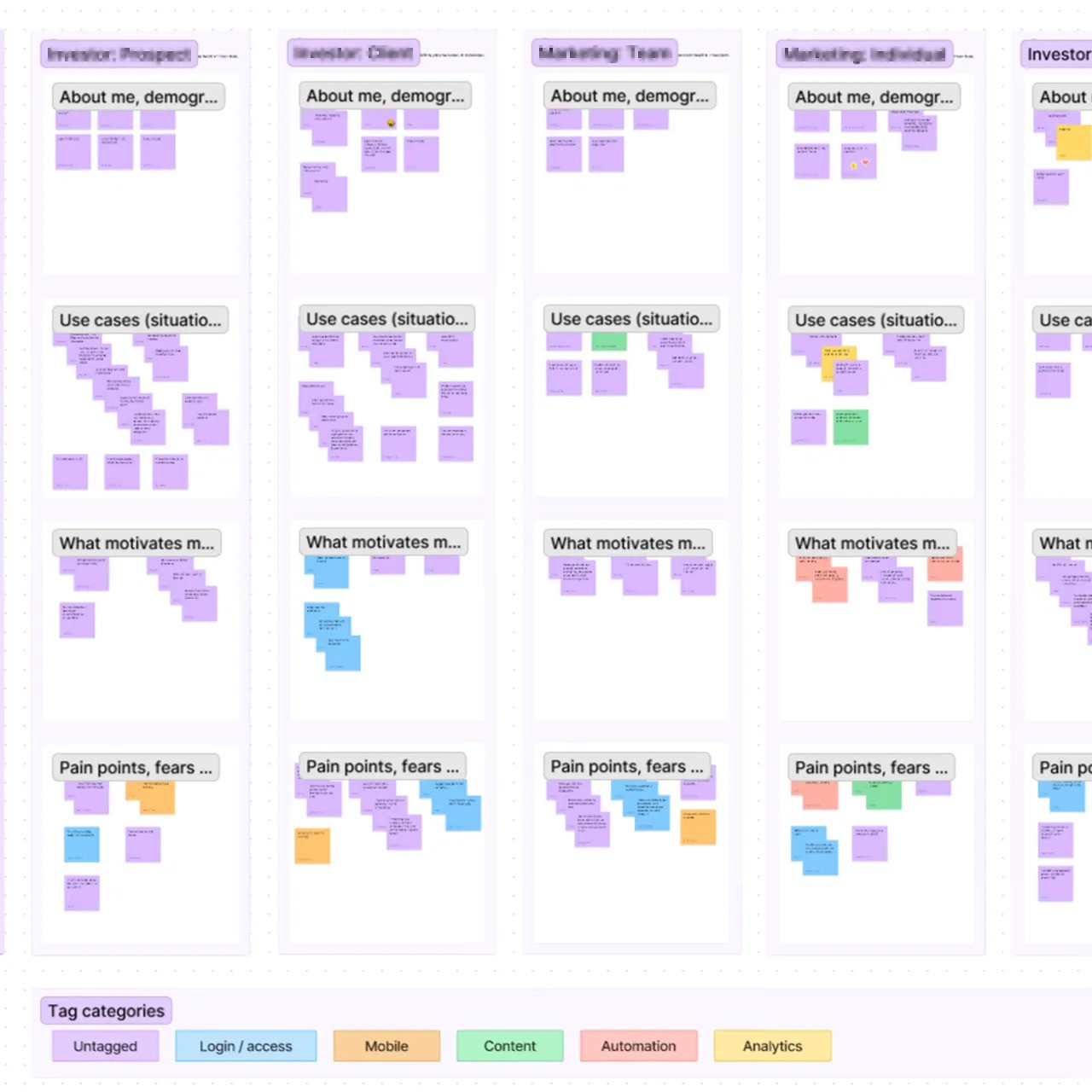
I started with the compliance team. Workshops with officers and subject-matter experts to map the onboarding journeys - finding exactly where regulatory requirements and a good user experience had to coexist.
Competitive analysis of projection tools and data vis patterns across financial services helped shape the strategy - and showed where we had room to do better.
Design System Transformation
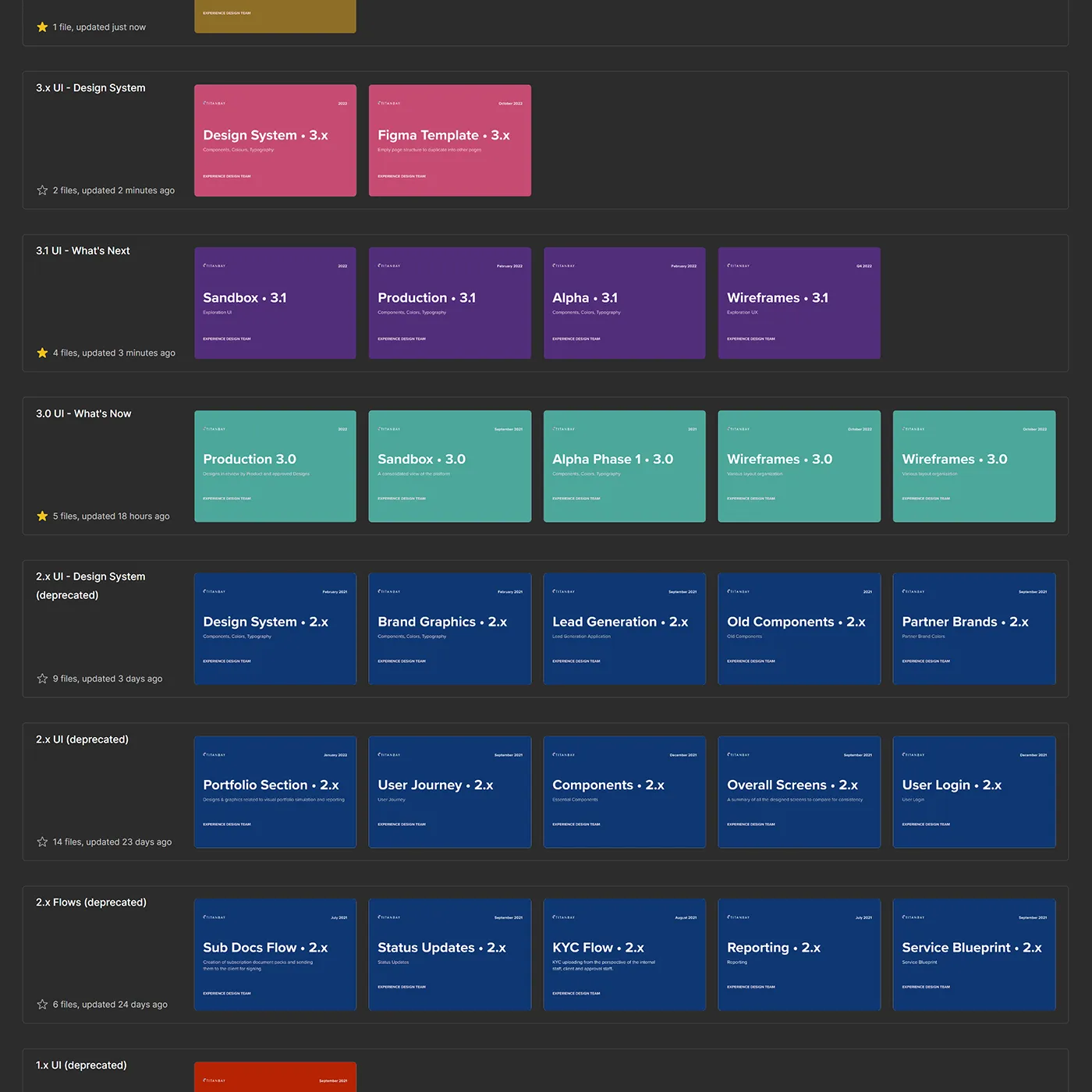
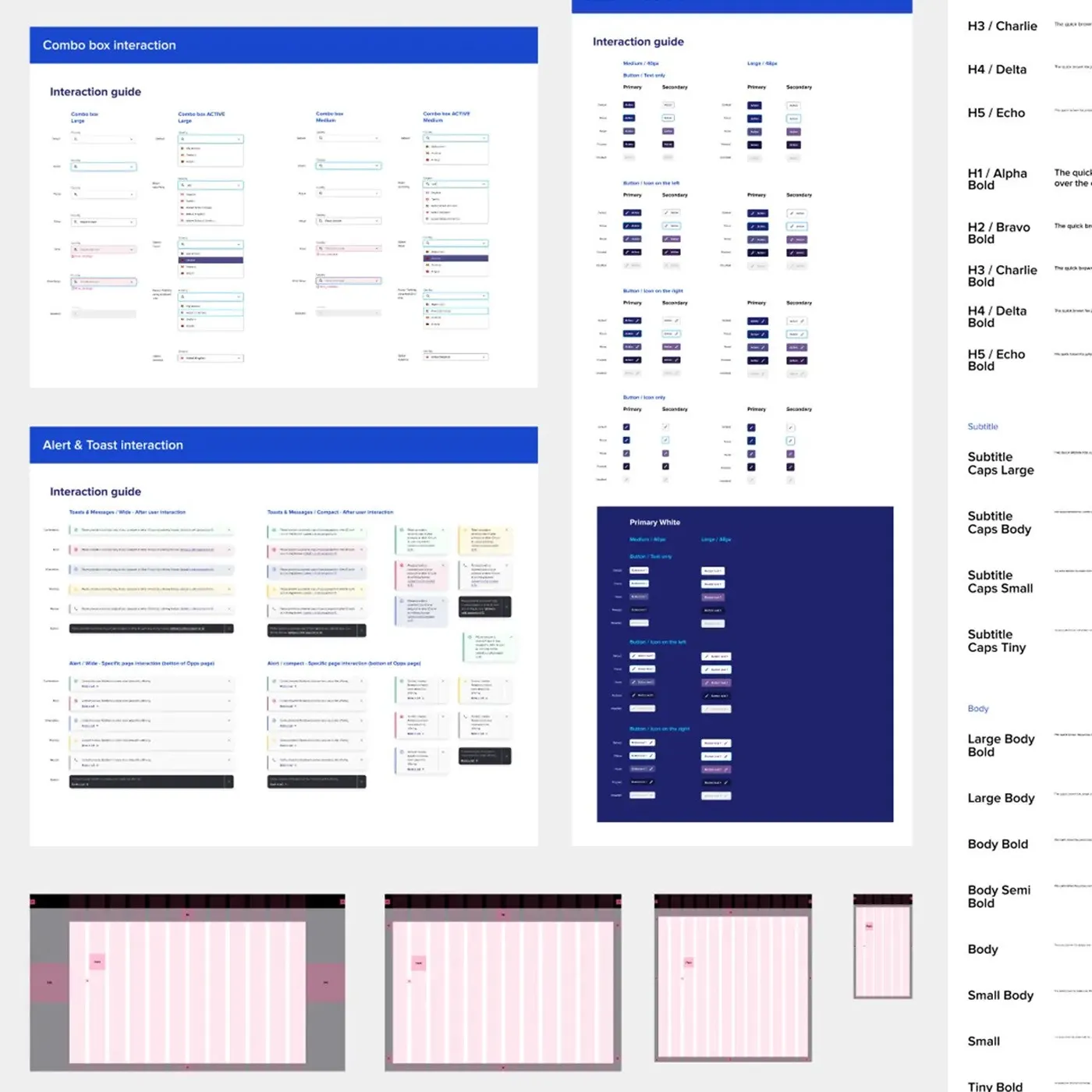
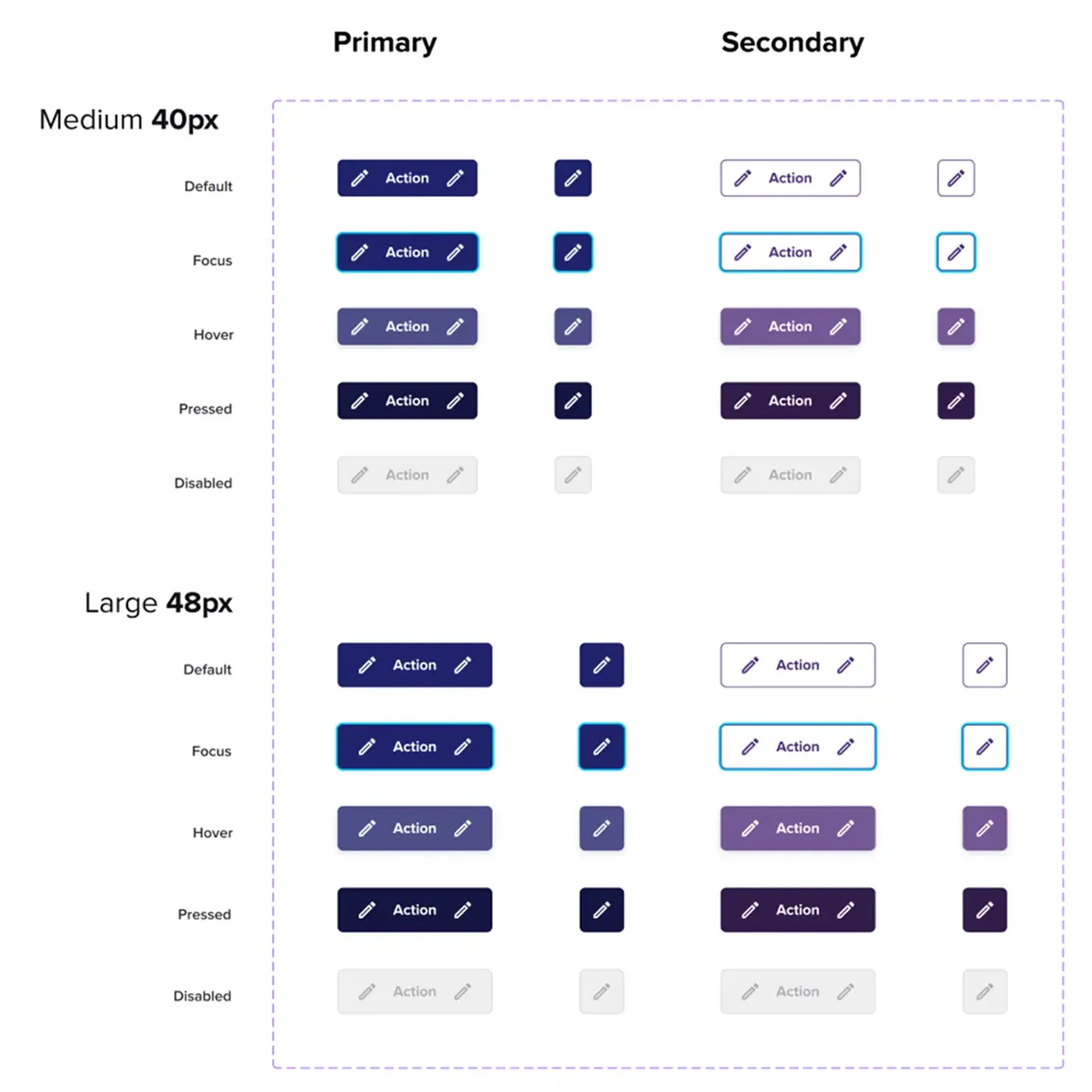
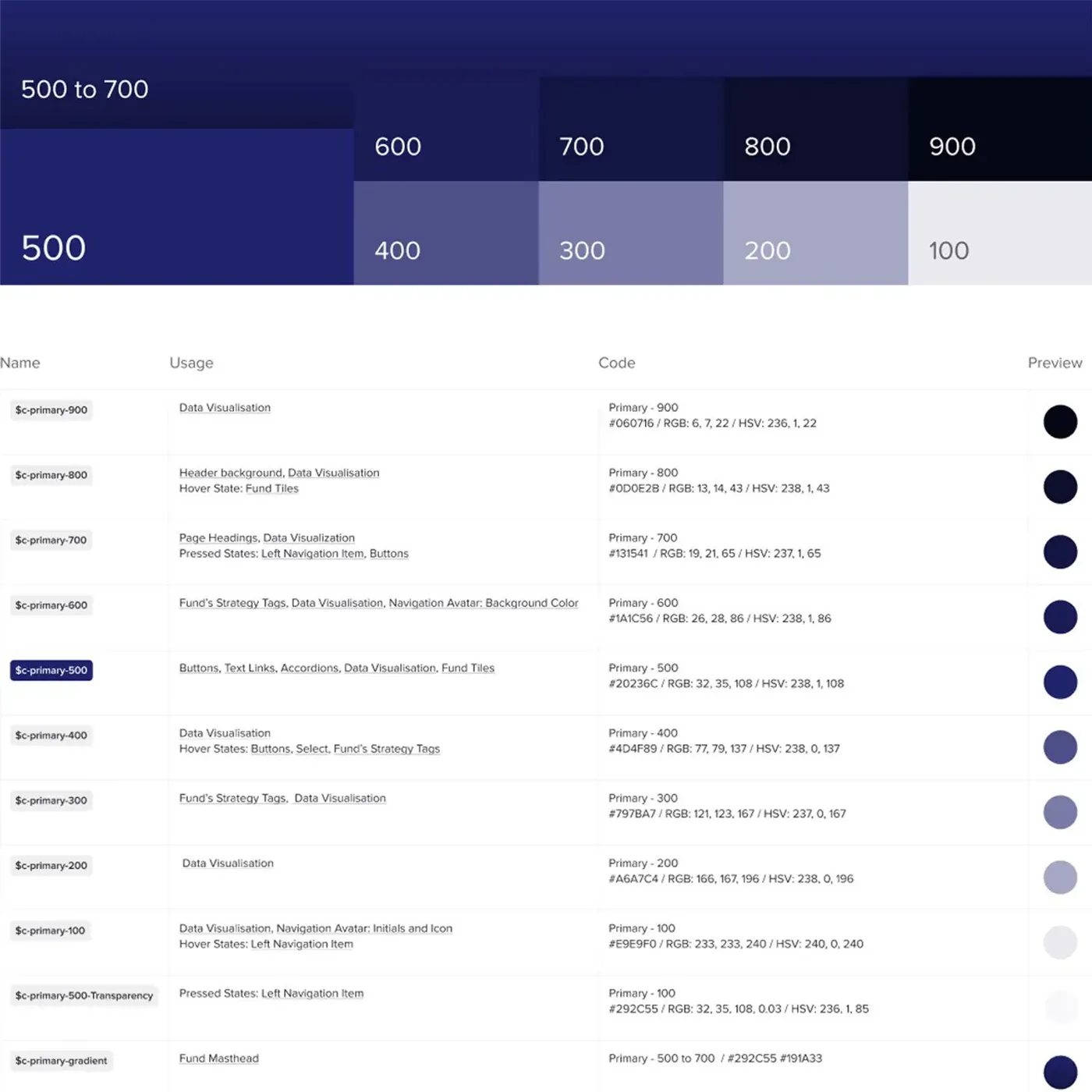
The design system needed sorting before we could scale properly. I reorganised and standardised:
- Simplifying components and establishing clear hierarchies
- Tokenisation integrated with Storybook for engineering
- Documentation for team onboarding and scaling
- Mentoring the team on system usage
The result was a system the whole team could build from, with less debt and faster delivery.
Cross-Functional Collaboration
Partnering with the data science team to turn their Excel-based financial models into something interactive. Making multi-dimensional data readable for wealth managers without losing precision.
The back-office side needed the same attention - review tools that covered the full investor journey from onboarding through to ongoing portfolio management.
03. Execution & Delivery
Execution & Delivery
Design Process
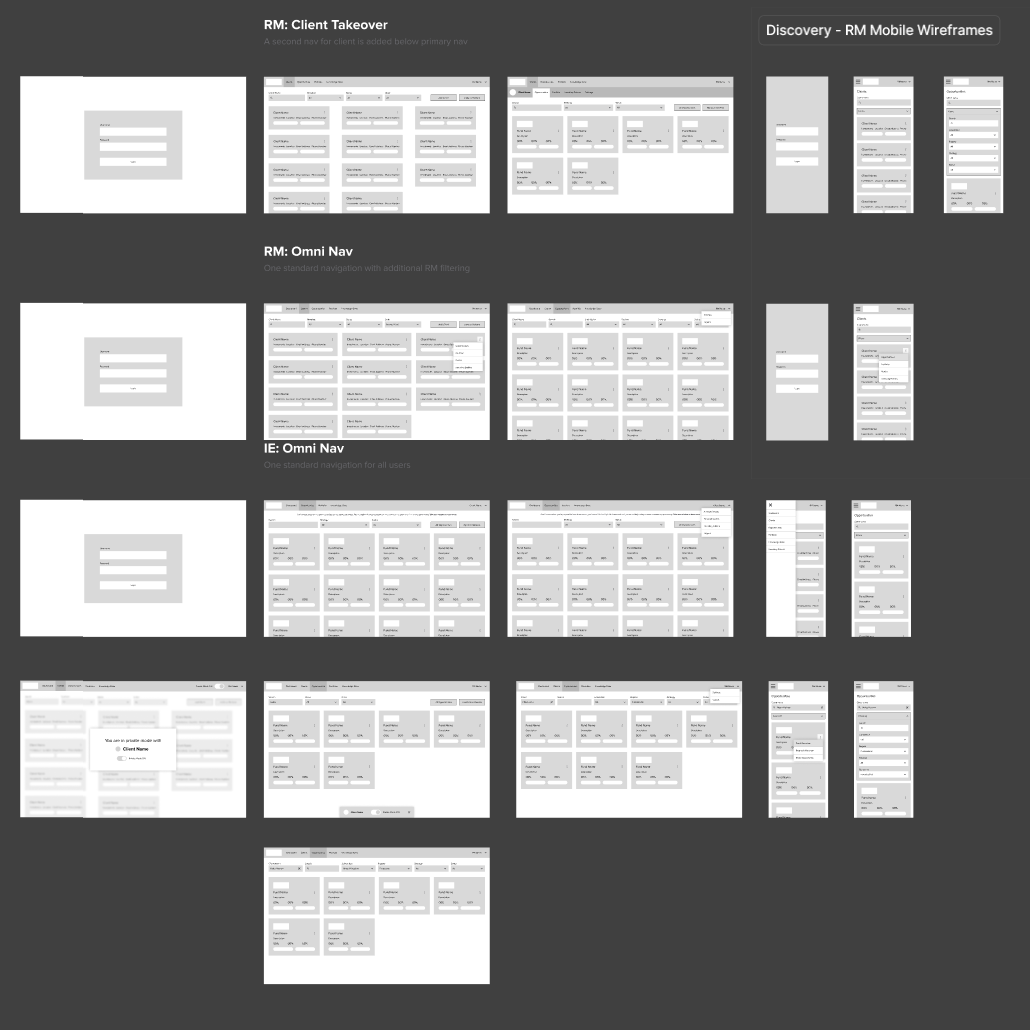
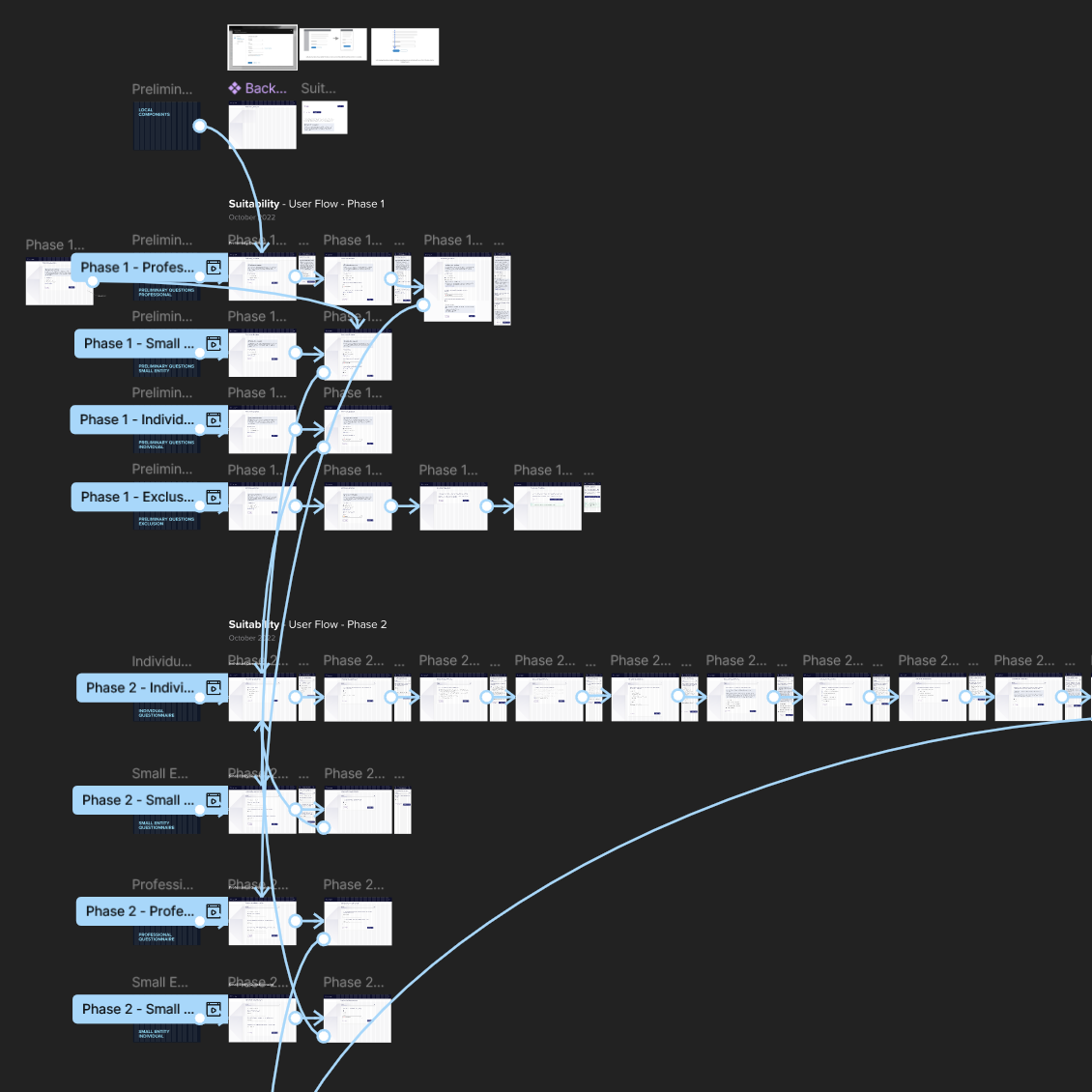
Working in Figma across the full user journey:
- Low-fidelity wireframes: Mapped complex onboarding flows with multiple decision points
- High-fidelity interfaces: Reflected the platform's premium positioning and professional requirements
- Interactive prototypes: Included edge cases and error states, enabling thorough user testing before development
Boolean and variable components, solid version control. Keeping the file in good shape as the system grew.
Stakeholder Alignment
Workshops to get stakeholders aligned on priorities and scope. Getting product, business and compliance in the same room before anyone wrote a line of code.
Technical Integration
The compliance team ran on Microsoft PowerApps. I designed around those constraints rather than against them - keeping the integration invisible to the end user.
Heap.io and User Analytics
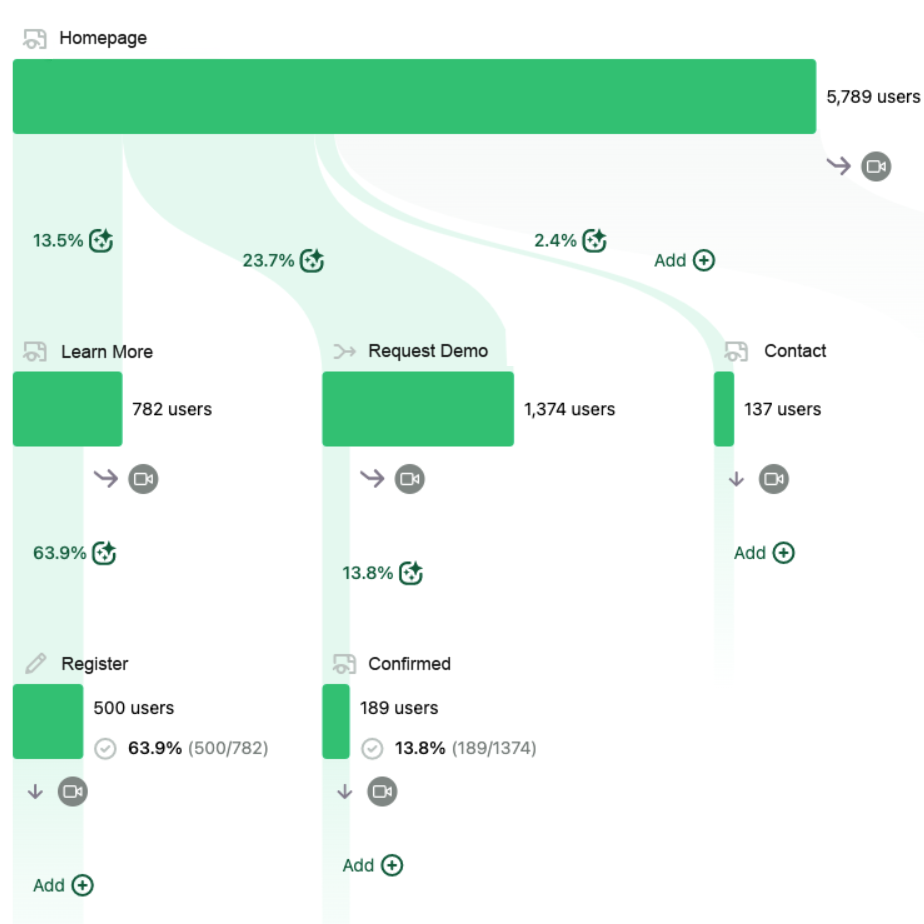
Heap.io across the critical journeys. Interaction patterns, drop-off points and engagement metrics used to iterate on the onboarding and portfolio flows. Real user data in stakeholder conversations instead of design opinions.
04. Impact & Outcomes
Impact & Outcomes
Enhanced Investor Confidence
A compliant, transparent onboarding process that gave investors confidence from the start. In high-value financial transactions, trust isn't optional.
Scalable Design Infrastructure
A design system the whole team could build on. Faster iteration, consistent output and a much easier ramp for anyone joining.
Inclusive Stakeholder Process
Workshops and open communication that made sure different perspectives actually shaped the product, not just got noted down.
Titanbay moved from a rough POC to a platform credible enough for institutional money. That doesn't happen without the whole system being right.
Complex regulations, fragmented systems, high-stakes users. This is the kind of problem I find most interesting - where getting the design right really matters.